
AboutLearn about the different types of bikes and adaptive equipment used in Para cycling. From tandems and handcycles to trikes and modified two-wheelers, see how athletes compete using equipment designed for their abilities.
Para Cycling
An Inclusive and Dynamic Sport
Para Cycling is a dynamic and inclusive sport, offering opportunities for athletes of all abilities to compete across multiple disciplines — from tandem bikes and handcycles to tricycles and adapted standard bicycles.
Its roots trace back to visually impaired athletes racing on tandems. Para Cycling made its Paralympic debut in 1984 (New York/Stoke Mandeville) with road events for athletes with cerebral palsy. Tandem racing for visually impaired riders was added in 1988, and the sport expanded again in 1996 when track cycling was introduced at the Atlanta Paralympic Games, cementing its place within high-performance sport.
Since then, Para Cyclists have continued to push boundaries on the world stage. The Birmingham 2022 Commonwealth Games showcased tandem racing for visually impaired athletes, while the Paris 2024 Paralympic Games brought Para Cycling into the spotlight once again, with riders demonstrating exceptional skill, resilience, and determination.
Today, Para Cycling continues to grow — both globally and here in New Zealand — inspiring the next generation of athletes and showing what’s possible when talent and opportunity align.

Para Cycling CategoriesUnderstand the different bike types and sport classes used in Para cycling. Find out how equipment and classifications match riders’ abilities.
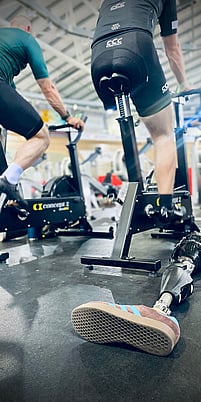
Talent ID & DevelopmentExplore how we identify and support emerging Para cyclists. Includes details on development camps, regional programs, and opportunities to get involved.
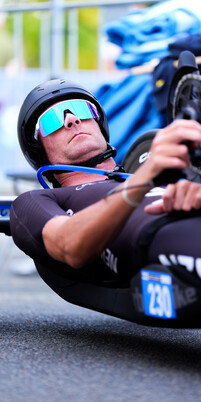
Types of RacesLearn about the different race formats within Para cycling — from track to road. Understand how each event works and what makes them unique.

Events & ResultsStay up to date with Para cycling races across New Zealand and beyond. Includes event calendars, entry information, and results for all Para categories.
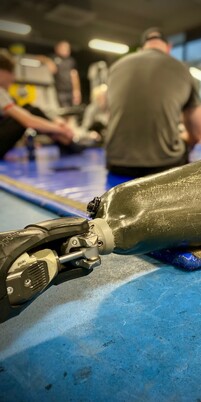
ClassificationLearn how the Para cycling classification system works. Includes information on assessments, eligibility, and the classification process in New Zealand.

Paralympics New ZealandFind out how Paralympics New Zealand supports Para athletes and promotes inclusion. Learn about their role as New Zealand’s National Paralympic Committee.

ResourcesAccess key documents, guides, and learning materials for Para cycling. A hub for coaches, riders, and supporters to stay informed and connected.

Latest NewsCatch up on the latest updates from Para cycling in New Zealand and beyond. Read stories, announcements, and highlights from events, athletes, and the wider Para cycling community.